
Quran Learning
Best Age to Start Quran Classes for Kids (A Parent’s Complete Guide)
May
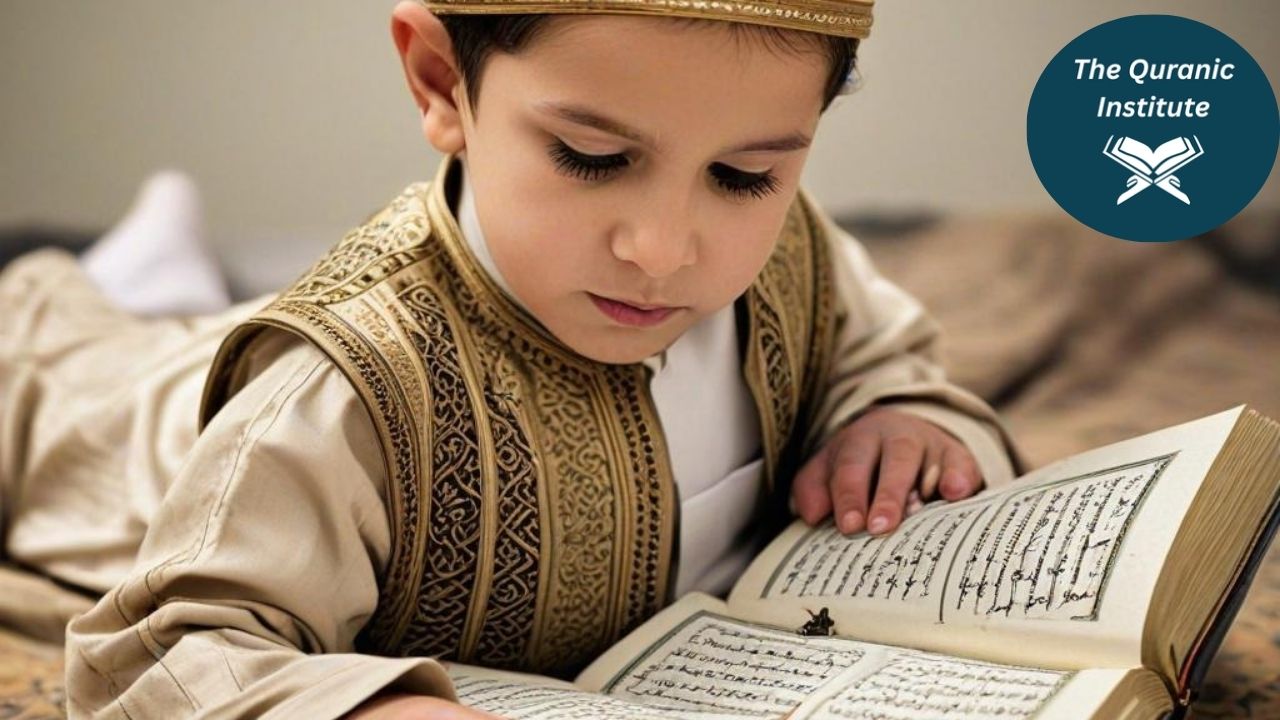
Many parents ask what is the best age to start Quran classes for kids. Choosing the right age can help children develop a strong connection with the Quran.
A Complete Parent’s Guide by Hafiza Asma
Hafiza | Alima | 10+ Years Quran Teaching Experience
Most Muslim parents ask this question at least once. Your child is growing fast, and you want to give them the very best start with the Quran. But you are not sure if they are too young, too old, or just right. Start too early and they might resist it. Wait too long and you feel like you missed your chance.
The truth is, what is the best age to start Quran classes for kids does not have one single answer. It depends on your child’s readiness, your home environment, and the type of learning you offer. This guide breaks everything down clearly — from newborns to teenagers — so you can make the right decision with confidence.
| ولَقَدْ يَسَّرْنَا الْقُرْآنَ لِلْذِّكْرِ فَهَلْ مِنْ مُدَّكِرٍ“And We have certainly made the Quran easy for remembrance, so is there anyone who will remember?”— Surah Al-Qamar 54:17 |
What Islamic Scholars Say About the Best Age to Start Quran Learning
Islamic tradition has always placed great importance on early education. The Prophet Muhammad ﷺ said:
| خَيْرُكُمْ مَنْ تَعَلَّمَ الْقُرْآنَ وَعَلَّمَهُ“The best among you are those who learn the Quran and teach it.”— Sahih al-Bukhari 5027 |
This beautiful Hadith does not mention a specific age. But it makes one thing crystal clear: the process of learning and teaching the Quran is one of the most noble things a Muslim can do. That journey should begin as early as it naturally can.
Classical Islamic scholars understood that children learn differently at every stage of life. Ibn Khaldun, the brilliant 14th-century Islamic scholar, wrote extensively about how children absorb language and knowledge through repetition and their home environment — long before they are ready for formal study. His message was simple: early exposure matters deeply, but forced instruction before a child is genuinely ready does more harm than good.
Most contemporary Islamic educators agree that formal Quran classes work best when started between ages 4 and 7. In those early years, children learn best through natural immersion — hearing the Quran, watching their parents recite, and absorbing its rhythm organically — long before formal instruction or any kind of evaluation enters the picture.
| كُلْكُمْ رَاعٍ وَكُلُّكُمْ مَسْؤُولٌ عَنْ رَعِيَّتِهِ“Each of you is a shepherd, and each of you is responsible for his flock.”— Sahih al-Bukhari & Sahih Muslim |
As a parent, your role is to create the right conditions for Quran learning — not to rush it. Islamic scholars have always interpreted this Hadith as a reminder that spiritual education should feel like loving guidance, never pressure.
| 💡 Key Takeaway: Starting early is valuable. But starting RIGHT matters even more. |
My Personal Experience With Starting Quran Learning Early
| وَمَنْ يُؤْتَ الْحِكْمَةَ فَقَدْ أوتِيَ خَيْرًا كَثِيرًا“And whoever is granted wisdom has certainly been given a great good.”— Surah Al-Baqarah 2:269 |
This topic is deeply personal to me.
For me, the Quran was never just a subject on a syllabus — it was woven into every corner of my childhood, my home, and my identity. I became a Hafiza of the Quran at the age of 10, but my Hifz journey actually began when I was just 7 years old. It was always my parents’ deepest dream that all of their children would become Huffaz of the Quran. Alhamdulillah, today all five siblings in our family are Hafiz-e-Quran.
Looking back, I realize our success was not simply about long madrasa hours or memorization drills. It was about the daily sacrifices our parents made — quietly, consistently, without complaint.
My mother would rise before Fajr and barely rest after that. Every single morning, she prepared breakfast, packed lunches, laid out uniforms, and made sure we were ready before our madrasa hours began — usually from 7 AM until 5 or 6 PM. Despite her exhaustion, she never once complained.
My father spent nearly 15 years maintaining complete consistency in our Quran education. Our family deliberately avoided trips, gatherings, and many personal comforts — because missing even one class was never an option in our home.
We studied at Jamia Ziya Ul Quran (Baghwali Masjid), Faisalabad, Pakistan — one of the most respected Islamic institutes in the city. The discipline, environment, and dedication there shaped our entire Quran journey.
Today, when parents ask me what is the best age to start Quran classes for kids, I always give them this answer: the right environment and parental consistency matter even more than the age itself. A child who grows up surrounded by love, encouragement, and daily Quran routine will build a connection with the Quran that lasts a lifetime — no matter when they started.
What ChangedUnderstanding Child Development — How Age Affects Quran Learning Readiness
Child development research supports what Islamic tradition has long taught. Between ages 3 and 7, children go through what psychologists call the critical period for language acquisition. Their brains are literally wired to absorb new sounds, patterns, and words faster than at any other time in life. This is why Arabic phonetics — which can feel challenging for adult learners — feel almost natural to young children who are exposed early.
A 3-year-old typically holds about 2 to 3 items in working memory. By age 6, that capacity doubles. This means a 6-year-old can hold a short verse long enough to repeat it correctly, while a 3-year-old may need many more repetitions before it truly sticks.
Why Arabic Phonetics Matter So Much in Early Childhood
Arabic contains sounds that simply do not exist in English or Urdu — letters like Ayn (ع) and Ghain (غ) require physical mouth positioning that is far easier to learn in early childhood. Children introduced to these sounds before age 7 have a measurably easier time producing them correctly throughout their lives. Even passive listening to Quran recitation in the background gives children a real phonetic advantage that shows up years later in their reading.
Emotional Readiness — It Is Not Just a Number on a Birthday Cake
Age is a guide, not a rule. A calm, curious 4-year-old who loves to repeat words after you might be more ready than an anxious 6-year-old in a stressful home environment. Emotional readiness means the child feels safe, interested, and willing — not forced or fearful. These conditions matter far more than the number of candles on their birthday cake.
The Quran Learning Roadmap By Age Group
Here is a complete, practical age-by-age roadmap covering what to teach, when to teach it, and what to realistically expect at each stage:
| Age Group | Stage | What To Do | Key Insight |
|---|---|---|---|
| 0 – 3 Years | Listening & Bonding | Play Quran recitation at home. Say Bismillah & Alhamdulillah daily. Make the Quran a familiar, comforting sound. | Passive exposure — no formal instruction needed |
| 3 – 5 Years | Play & Repetition | Teach short Surahs through song and imitation. Use colorful Arabic alphabet books. Sessions under 10 minutes. | Surah Al-Ikhlas, Al-Falaq, Al-Nas through fun repetition |
| 5 – 7 Years | Golden Window | Begin Noorani Qaida or Iqra method. Focus on Arabic letter recognition and correct makharij. 2-3 sessions/week. | Formal Quran classes — the best age to start |
| 7 – 10 Years | Structured Learning | Introduce Tajweed rules. Begin serious Surah memorization. Assess Hifz readiness with a qualified teacher. | Stronger memory + focus = faster progress |
| 10+ Years | Mature Comprehension | Start Noorani Qaida from scratch if needed. Older learners progress faster due to strong comprehension and focus. | It is NEVER too late — start today |
Ages 0 to 3 — Planting the Seed Through Listening
You cannot teach a newborn to read. But you can surround them with the sound of the Quran from day one. Play soft recitation during feeding time, naps, or playtime. Say Bismillah and Alhamdulillah out loud throughout your day. These sounds become deeply familiar before the child can even speak. When formal learning eventually begins, Arabic will feel less like a foreign language and more like home.
This stage is about environment, not instruction. Parents who raised strong Quran readers consistently say this passive early exposure was the single most underrated step they took.
Ages 3 to 5 — Introduction Through Play and Repetition
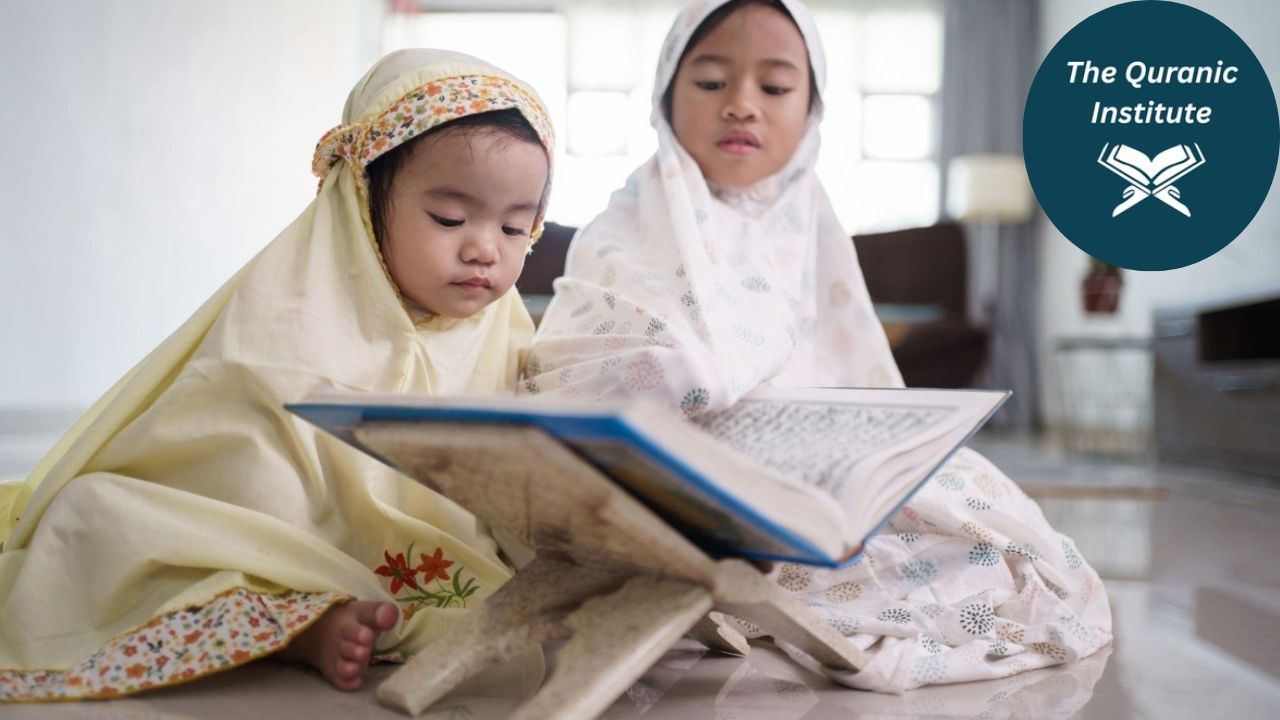
Children at this age learn through imitation. They copy everything. Use that! Sit with them and recite Surah Al-Ikhlas slowly, every single day. Within weeks, most children will begin reciting along naturally. Add hand gestures, sing the words to a simple melody, or use colorful Arabic alphabet books. Keep every session under 10 minutes and always, always end on a happy, positive note.
Avoid drilling or testing at this stage. The goal is not perfection — it is familiarity and love. A child who grows up singing short Surahs like favorite songs has already built the foundation for everything that follows.
| اقْرَأْ بِاسْمِ رَبِّكَ الَّذِي خَلَقَ“Recite in the name of your Lord who created.”— Surah Al-Alaq 96:1 — The very first revelation, a command to read and learn |
Ages 5 to 7 — The Golden Window for Formal Quran Classes
This is widely considered the best age range to begin structured Quran classes. Children at this stage can follow instructions, sit for 15 to 20 minutes, and start recognizing Arabic letters consistently. Noorani Qaida and the Iqra method are both excellent starting points because they teach Arabic letters through correct articulation (makharij) before jumping into full Quranic text.
Enroll your child with a qualified teacher — either in person or through a reputable online Quran tutor for kids. Consistency matters far more than duration at this stage. Three focused sessions of 20 minutes per week will produce better results than one long weekly session every time.
Ages 7 to 10 — Tajweed and Memorization Take Shape
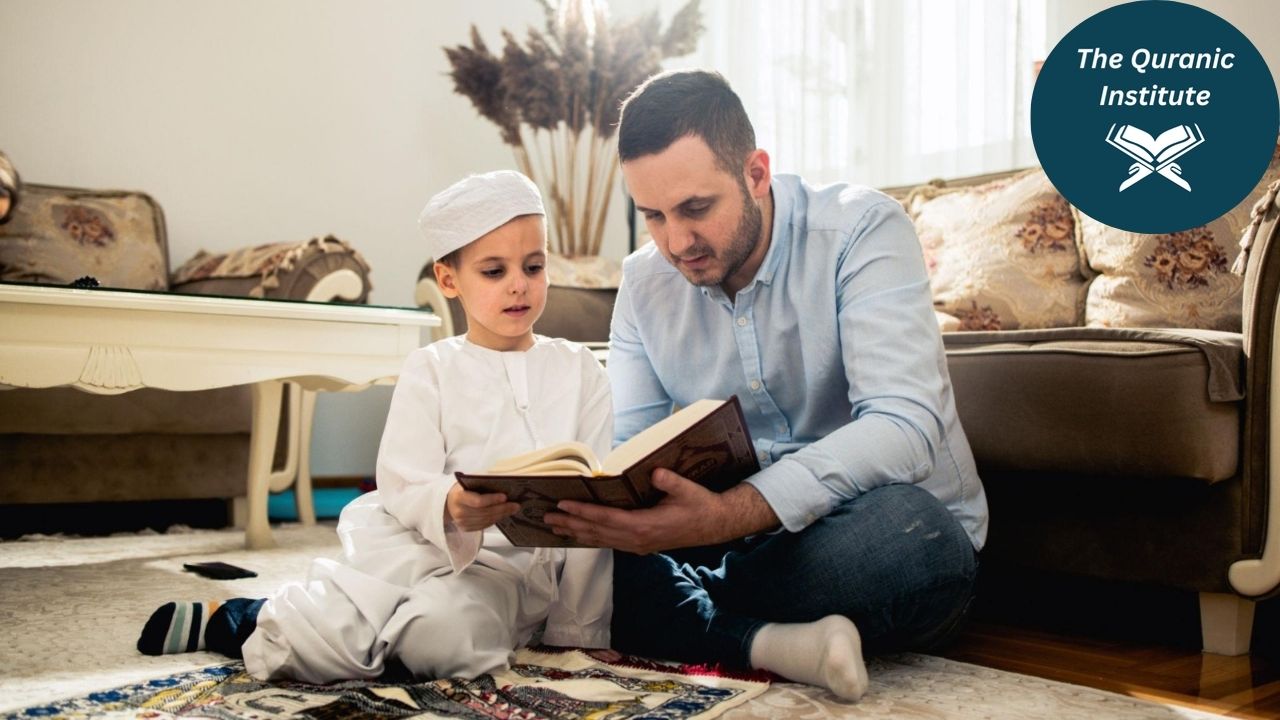
By age 7, children are in school and have developed much stronger memory and focus. This is the ideal time to introduce formal Tajweed rules and begin serious Surah memorization. Hifz readiness should be assessed here — together with a qualified teacher, evaluate whether your child is emotionally and cognitively prepared for memorization goals.
Balance is everything at this stage. School, playtime, and rest all matter. Quran learning should fit naturally into the daily routine — not dominate it in a way that creates resentment or burnout.
Ages 10 and Above — It Is Never Too Late
A parent once came to a Quran teacher and said, ‘My son is 12. We never started. Is it too late?’ The teacher smiled and replied, ‘He will actually learn faster than a 5-year-old in many ways.’ That is genuinely true. Older children bring stronger comprehension, better focus, and the ability to understand why they are learning. They may not have the same phonetic flexibility as a younger child, but they more than make up for it with determination, maturity, and understanding.
Never let guilt about a late start prevent you from beginning. The best time to start is always today.
| يَرْفَعِ اللَّهُ الَّذِينَ آمَنُوا مِنْكُمْ وَالَّذِينَ أوتُوا الْعِلْمَ دَرَجَاتٍ“Allah will raise those who have believed among you and those who were given knowledge by degrees.”— Surah Al-Mujadila 58:11 |
7 Signs Your Child Is Ready for Quran Classes
- They can follow two to three step instructions without getting confused
- They show curiosity about prayer or ask questions about words you recite
- They can sit and focus on one activity for 10 to 15 minutes
- They enjoy repetition — like watching the same video or singing the same song over and over
- They can identify sounds or letters in their native language
- They respond well to praise and small rewards
- They can tell you when they do not understand something, rather than simply going silent
7 Signs Your Child Is Ready for Quran Classes
Age is only one indicator. Watch for these signs before enrolling your child in formal Quran classes. If your child shows four or more of these, they are likely ready — regardless of their exact age:
Key Factors That Influence the Right Starting Age for Your Child
No two children are the same. No two families are the same either. Several real-world factors directly shape when the best age to start Quran classes is for your specific child.
The Child’s Individual Personality and Learning Style
A naturally curious, talkative child who loves books may be ready at 4. A quieter, more introverted child might need until age 6 or 7 to feel comfortable in a structured learning setting. Neither is wrong. Forcing a shy child into group classes before they are emotionally ready can create a negative association with the Quran that takes years to undo.
Language Background — Arabic Speakers vs. Non-Arabic Households
Children raised in Arabic-speaking homes have a natural head start because they already recognize many Quranic sounds from daily conversation. Children in non-Arabic households — such as those in South Asia, Europe, or North America — need more time for phonetic exposure before formal reading can begin. This does not mean starting later; it means spending more time on the listening and letter recognition stages before moving to full Quranic text.
Online Classes as a Game Changer for Modern Families
Access to qualified Quran teachers used to depend entirely on geography. Today, online Quran learning for kids has changed everything. Families in Western countries, rural areas, or regions with limited Islamic infrastructure can now access certified teachers from Egypt, Pakistan, or Saudi Arabia at affordable rates. For children between ages 5 and 10, one-on-one online sessions often produce faster progress than crowded in-person classes because the teacher’s full attention stays on your child throughout every lesson.
Benefits of Starting Quran Education at the Right Age
Starting Quran education at the right time — not just the earliest possible time — produces benefits that extend far beyond religious practice. Here is a quick-reference breakdown:
| 🧠 Brain & Memory ✅ Stronger working memory from structured memorization ✅ Better language processing and pattern recognition ✅ Improved academic performance in school subjects ✅ Arabic phonetics absorbed fastest before age 7 ✅ Neural pathways built for lifelong learning | 🌱 Spiritual Identity ✅ Deep sense of belonging to the Ummah ✅ Protective factor against teenage loss of faith ✅ Emotional resilience and inner peace ✅ Connection to Quran beyond Ramadan rituals ✅ Lifelong Islamic identity rooted in childhood | 🏆 Character & Discipline ✅ Daily routine builds strong discipline habits ✅ Patience and consistency become second nature ✅ Growth mindset — rewards come with effort ✅ Stronger parent-child bond through shared learning ✅ Respect for knowledge and Islamic values |
Online Quran Classes vs. In-Person Madrasah — Which Is Better?
This is one of the most common questions parents ask today. The honest answer depends on your child’s age, personality, and your family’s lifestyle. Here is a clear side-by-side comparison:
| 💻 Online 1-on-1 Classes ✅ Teacher’s full attention on your child ✅ Flexible scheduling for working families ✅ Access to certified teachers worldwide ✅ Consistent — same teacher, same time, same space ✅ Best for ages 5+ especially⚠️ Less physical interaction for under 5s | 🏫 In-Person Madrasah ✅ Physical presence ideal for ages under 5 ✅ Social Islamic community environment ✅ Structured group discipline ✅ Direct human connection & teacher presence⚠️ Commute required — limits consistency⚠️ Large group = less individual attention | 🏠 Parent-Led Home Learning ✅ Ideal for ages 0-4 (passive exposure stage) ✅ Builds the deepest parent-child bond ✅ Quran becomes part of home culture ✅ No schedule pressure or commute needed⚠️ Parent must maintain consistency⚠️ May need supplement with qualified teacher |
For children aged 5 and above, online one-on-one classes with a qualified, experienced teacher are often the most effective and consistent option available to modern Muslim families. The key word is consistency — the same teacher, the same time slot, the same warm and encouraging environment.
What to Look for in a Quran Teacher for Young Children
A great Quran teacher for young learners is patient, encouraging, and specifically trained in Tajweed. Ask about their experience with children in particular — not just their general Islamic credentials. A Hafiz who has never taught a 6-year-old is not necessarily a better teacher for your child than a certified female teacher who has spent 10 years working with young beginners.
Common Mistakes Parents Make When Starting Quran Education
1. Forcing Memorization Before Building Love for the Quran
This is the most common and most damaging mistake. Many parents jump straight to memorization goals without first making the Quran something the child genuinely loves. A child who connects Quran time with pressure and correction will find ways to avoid it. A child who connects it with warmth, praise, and parental attention will look forward to it every single day.
2. Comparing Your Child’s Progress to Others
‘Brother Ahmed’s son memorized three juz by age 8’ is a sentence that has caused more anxiety and resentment in Muslim households than it has ever inspired real progress. Every child’s journey with the Quran is deeply personal and unique. Comparison is the fastest way to make a child feel like they are failing at something sacred.
3. Neglecting the Parent’s Own Role as the First Teacher
The parent as first Quran teacher is not a metaphor — it is a literal spiritual responsibility. Children who see their parents reciting Quran daily are far more likely to maintain their own practice into adulthood. You do not need to be a scholar. You simply need to show up, consistently, every single day.
| وَلَقَدْ يَسَّرْنَا الْقُرْآنَ لِلْذِّكْرِ فَهَلْ مِنْ مُدَّكِرٍ“And We have certainly made the Quran easy for remembrance, so is there anyone who will remember?”— Surah Al-Qamar 54:22 — Allah’s promise that the Quran is accessible to every sincere learner |
How to Create a Quran-Friendly Home Environment at Any Age
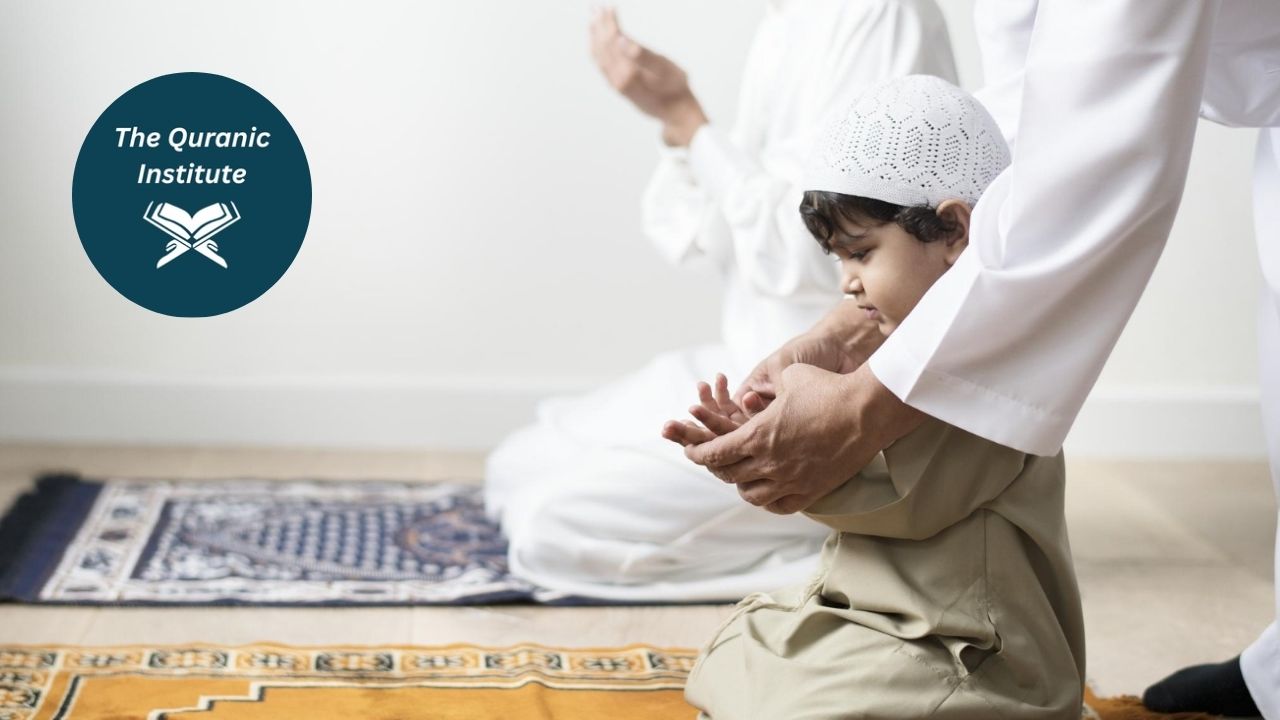
The home environment shapes your child’s relationship with the Quran more powerfully than any classroom ever can. Here are practical, proven steps to make your home a place where the Quran breathes naturally:
- Set up a small, dedicated corner with a Quran, Islamic books, and a prayer mat — make it inviting, not intimidating
- Play Quran recitation softly in the background during morning routines or after school
- Use a simple sticker chart to track daily recitation and celebrate every milestone, no matter how small
- Involve siblings so that Quran time feels like something the whole family does together, not a chore assigned to one child
- Use age-appropriate Arabic learning apps that reinforce class content without adding screen time guilt
- Let your child see YOU reading the Quran — children mirror what they genuinely witness
| Ten focused minutes every day will always beat one full hour once a week. Consistency is the key. |
Special Considerations — Late Starters and Children With Learning Differences
My Child Is 10 or Older and Has Never Learned — Where Do We Start?
Start with the Arabic alphabet using Noorani Qaida — exactly as you would with a younger child. Do not skip steps. Older beginners often move through the early stages significantly faster than young children because their comprehension, focus, and motivation are all stronger. A 12-year-old who rushes past letter recognition to jump into Quranic text will struggle with pronunciation for years. Take the proper path, and the progress will come quickly.
“You can explore our structured online Quran courses at The Quranic Institute designed for all age groups.”
Adapting Quran Learning for Children With Learning Differences
Children with dyslexia, ADHD, or autism can absolutely learn the Quran. The approach simply needs thoughtful adjustment. Shorter sessions, more repetition, multisensory tools like touch-and-hear Arabic boards, and a teacher with specific experience in special needs education make a remarkable difference. Focus on your child’s strengths rather than comparing their pace to neurotypical peers. Every child’s Quran journey is valid and beautiful.
Frequently Asked Questions
What is the best age to start Quran classes for kids?
Most Islamic scholars and educators recommend starting formal Quran classes between ages 4 and 7. Before that, gentle exposure through listening and short Surah repetition is ideal. Readiness signs matter more than the exact age on the calendar.
Can a 3-year-old start learning the Quran?
A 3-year-old is not typically ready for structured classes, but they are perfect for passive exposure. Play Quran recitation at home, teach Bismillah and Alhamdulillah naturally, and let them repeat short Surahs without any pressure. Formal instruction can wait until ages 5 to 6.
How many days a week should a child attend Quran classes?
For children aged 5 to 7, two to three sessions per week of 15 to 20 minutes each is ideal. Children aged 7 to 10 can comfortably handle four to five sessions per week as their focus and stamina develop.
How long does it take a child to learn to read the Quran?
With consistent practice, most children can read basic Quranic text within one to two years of starting with the Arabic alphabet. Full reading fluency with foundational Tajweed typically takes two to three years depending on frequency and teaching quality.
Is it too late to start Quran at age 10 or 12?
Absolutely not. Older children often progress faster through the foundational stages because they have stronger comprehension and focus. The journey starts where it starts — and that is always better than never starting.
Should I start with the Arabic alphabet or Noorani Qaida first?
Noorani Qaida is the strongly recommended starting point. It teaches Arabic letter sounds through the correct articulation points (makharij) before combining letters into words. It is specifically designed to prepare beginners for Quranic reading and is far more effective than a standard alphabet-only approach.
How do I keep my child motivated to continue Quran classes?
Celebrate small wins consistently. Use a progress chart, offer genuine praise after every session, and make absolutely sure that Quran time never feels like punishment. Lead by example by reciting in front of your child daily. Children mirror what they see their parents genuinely value.
What if my child refuses to attend Quran classes?
First, identify the real root cause. Is the teacher too strict? Is the timing clashing with something the child loves? Is your child feeling compared to others and coming up short? Most refusal comes from a negative association rather than a genuine dislike of the Quran itself. Pause, reassess kindly, and reintroduce learning in a gentler, warmer format before trying again.
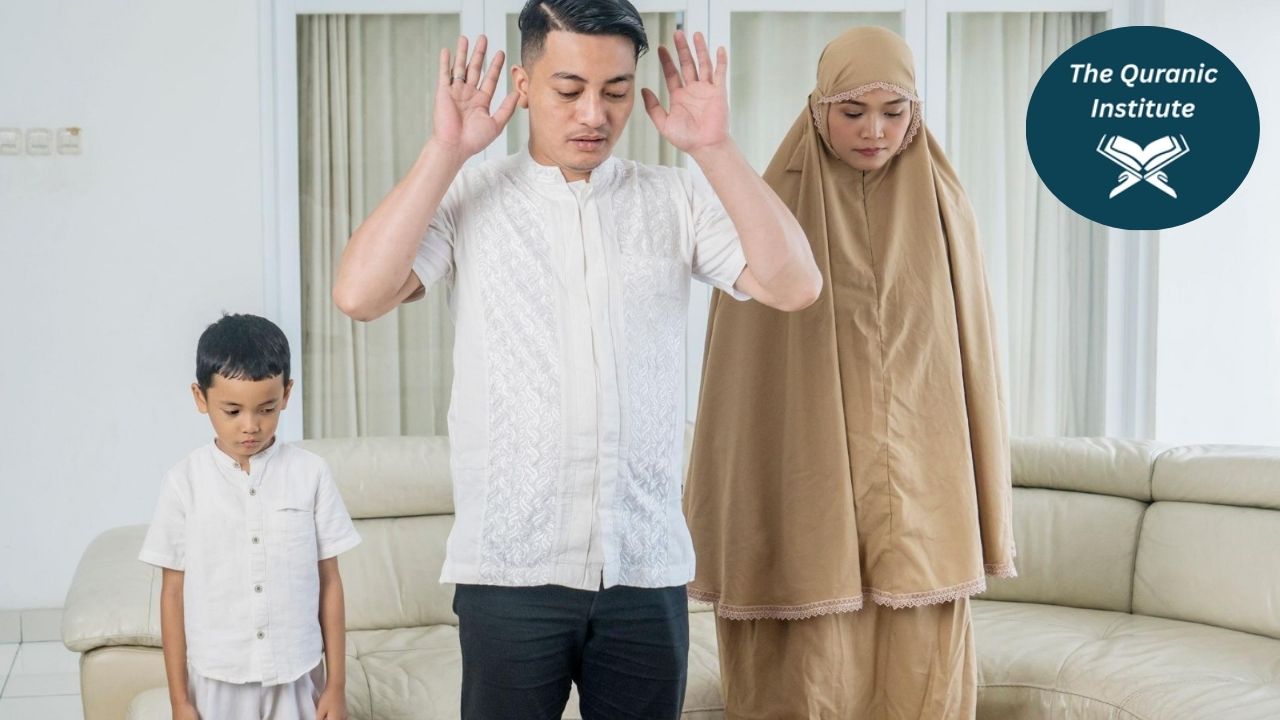
Final Thoughts — It Is About the Journey, Not Just the Age
Every parent who is asking ‘what is the best age to start Quran classes for kids’ is already doing something profoundly right. You are thinking about it. You are planning. You genuinely care. In Islam, that sincere intention is exactly where all beautiful things begin.
There is no single perfect age. There is only the right approach at whatever age your child happens to be today. Start with listening if they are very young. Start with letters if they are ready. Start with encouragement and warmth if they have had a difficult experience before. The door of the Quran is always open — at every age, at every stage.
The best age to start Quran classes for kids depends on attention span, interest, and parental support.
| إِنَّ هَذَا الْقُرْآنَ يَهْدِي لِلَّتِي هِيَ أَقْوَمُ“Indeed, this Quran guides to that which is most upright.”— Surah Al-Isra 17:9 |
Your child’s journey with the Quran is meant to be one of the most beautiful parts of their entire childhood. With the right age guidance, a loving home environment, and genuine parental presence — you can make it exactly that.
Ultimately, the best age to start Quran classes for kids varies from child to child, but early exposure often produces the best results.
“Ready to begin? Contact us today to find the perfect teacher for your child.”
| May Allah make the Quran a light in your home, a comfort in your heart, and a guide for your children. Ameen. |
| ★ About The Author ★Hafiza Asma Zahid Habib Hafiza-e-Quran | Alima | SEO Content Writer & Digital MarketerHafiza Asma is a certified Hafiza-e-Quran and Alima who completed her Quran memorization at the age of 10 — beginning her Hifz journey at just 7 years old. She holds a degree in Islamic Studies and brings over 10 years of hands-on experience teaching the Quran to students of all ages, from young beginners to adult learners across the USA, UK, Canada, and Australia.She comes from a remarkable family where all five siblings are Huffaz-e-Quran — a journey made possible by the extraordinary dedication of her parents. This lived experience gives her a uniquely personal, authentic, and practical perspective on Quran education that very few educators can offer.Beyond her Islamic scholarship, Hafiza Asma is also an experienced SEO Content Writer and Digital Marketer with strong expertise in on-page SEO, keyword research, content strategy, and E-E-A-T optimization. She runs her own online Quran academy (TheQuranicInstitute.com) and creates SEO-optimized Islamic content that helps Muslim families worldwide connect with authentic, credentialed Quran education. 🌍 Website: TheQuranicInstitute.com 📚 10+ Years Teaching Experience ♥ All 5 Siblings are Huffaz |
